
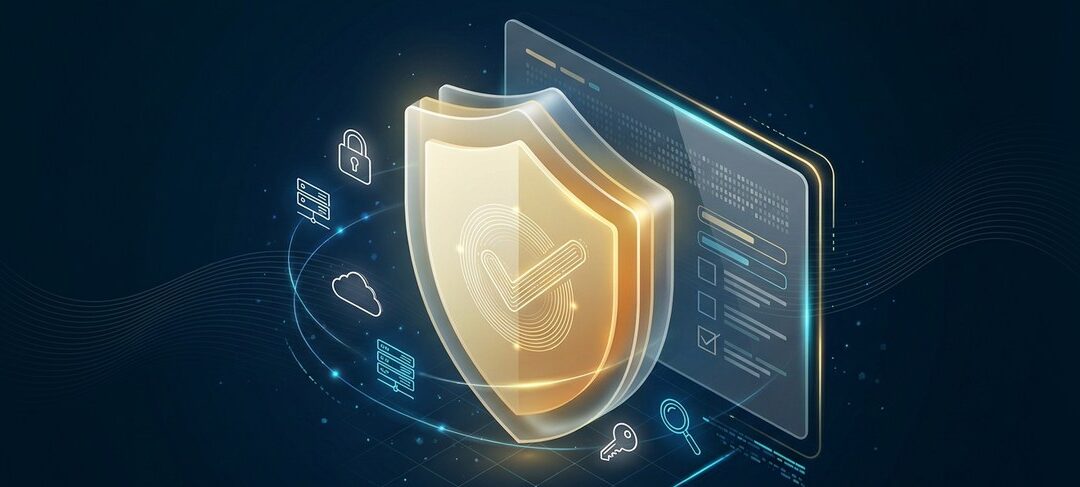
SOC 2 compliance means an independent auditor has reviewed how a company protects customer data and confirmed that its security controls meet the SOC 2 standard. The result is a SOC 2 report, which businesses share with customers and partners to show their systems and data are handled securely.
If you sell software, cloud services, or IT services to other businesses, sooner or later a customer will ask, “Do you have a SOC 2 report?” It often shows up in security questionnaires, procurement reviews, and contract negotiations, especially with larger clients.
Below, we explain what SOC 2 is, the five trust services criteria, the difference between Type 1 and Type 2, how SOC 2 compares to SOC 1 and ISO 27001, how it works in Canada and the US, and how to prepare.
What Is SOC 2?
SOC 2 (System and Organization Controls 2) is a framework for reporting on how a service organization protects the data it handles. It was developed by the American Institute of Certified Public Accountants (AICPA) and is widely used by technology and service companies that store, process, or manage customer data.
SOC 2 doesn’t give you a fixed list of tools to install. Instead, it sets out criteria, and each company designs its own controls to meet them. An independent auditor then tests those controls and issues a report.
Is SOC 2 a Certification?
Not technically. People often say “SOC 2 certification,” but SOC 2 is an attestation, not a certificate. An independent accounting firm examines your controls and writes a report with its opinion. Customers read that report to judge your security, rather than checking for a certificate on a wall.
Who Needs SOC 2 Compliance?
SOC 2 isn’t legally required, but it’s often expected by customers. You’re likely to need it if you:
- Offer SaaS, cloud hosting, or data processing services to other businesses.
- Provide managed IT, IT outsourcing, or support services with access to client systems.
- Sell to larger companies, financial services, healthcare, or government-related organizations that run vendor security reviews.
- Store or process sensitive customer information on behalf of other businesses.
Many companies pursue SOC 2 because a major customer asks for it. Having a report ready can shorten sales cycles and reduce the number of security questionnaires you need to fill out.
What Are the SOC 2 Trust Services Criteria?
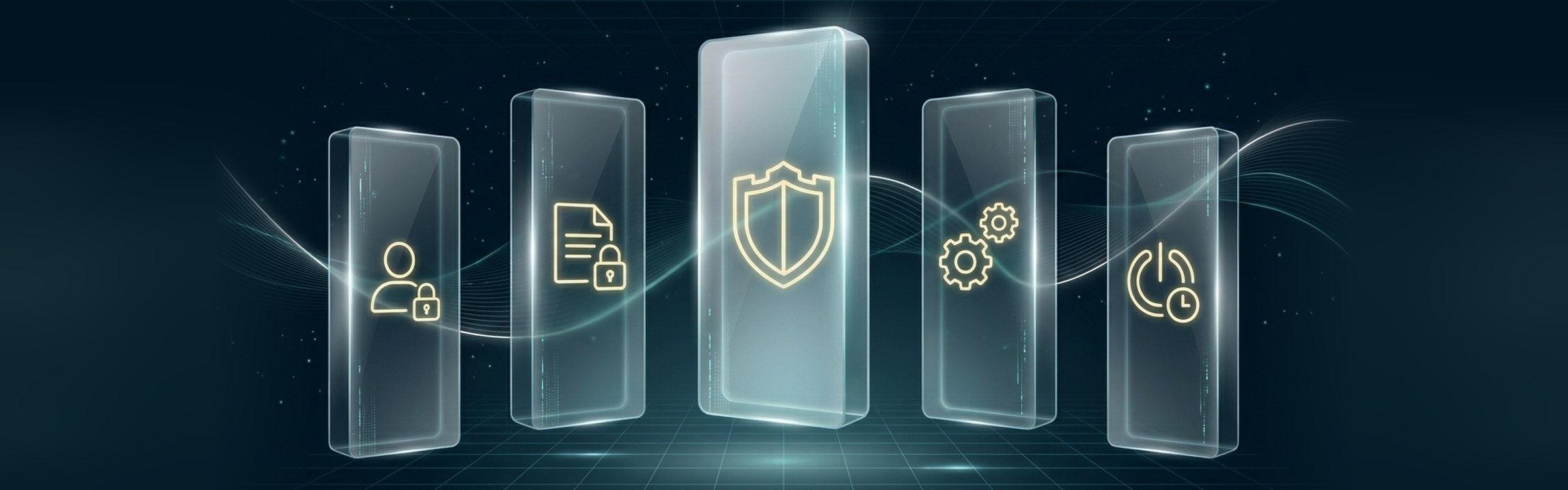
SOC 2 is built around five trust services criteria. Security is required in every SOC 2 report. The other four are added based on what your customers need and what services you provide.
| Criteria | What it covers | Example controls |
|---|---|---|
| Security (required) | Protecting systems and data against unauthorized access | Multi-factor authentication, firewalls, access reviews, monitoring |
| Availability | Keeping systems running as promised | Backups, disaster recovery, uptime monitoring |
| Processing integrity | Making sure systems process data completely and accurately | Input validation, error handling, quality checks |
| Confidentiality | Protecting information marked as confidential | Encryption, data classification, secure disposal |
| Privacy | Handling personal information properly | Consent, data retention rules, privacy notices |
Security is often called the “common criteria” because its controls support all the other categories.
SOC 2 Type 1 vs Type 2
A SOC 2 Type 1 report checks whether your controls are designed properly at a single point in time. A SOC 2 Type 2 report checks whether those controls actually worked over a period of time, typically somewhere between three and twelve months.
| SOC 2 Type 1 | SOC 2 Type 2 | |
|---|---|---|
| What it tests | Control design | Control design and operating effectiveness |
| Time covered | One specific date | A review period, often 3 to 12 months |
| Time to complete | Faster | Longer, because of the review period |
| Weight with customers | A good first step | Usually what larger customers expect |
Many companies start with a Type 1 report to show progress quickly, then move to Type 2 the following year.
SOC 1 vs SOC 2 vs SOC 3
- SOC 1: Focuses on controls that affect a customer’s financial reporting, such as a payroll or billing provider. It’s mainly read by finance teams and auditors.
- SOC 2: Focuses on security and the other trust services criteria. It’s the report most technology and IT service providers are asked for. It’s detailed and usually shared under a non-disclosure agreement.
- SOC 3: A shorter, general-use summary of a SOC 2 examination that can be shared publicly, for example on a website.
SOC 2 vs ISO 27001
SOC 2 and ISO 27001 both show that a company takes information security seriously, but they work differently. SOC 2 results in an auditor’s report on your controls and is especially common with North American customers. ISO 27001 is an international standard that certifies your information security management system and is more widely requested by customers in Europe and other regions. The two overlap heavily, so many companies that do one later add the other without starting from scratch.
SOC 2 in Canada and the United States
SOC 2 is used by businesses on both sides of the border, but the standards behind the report are set by each country’s accounting profession.
SOC 2 in the United States
In the US, SOC 2 examinations are performed by licensed CPA firms under the AICPA’s attestation standards (SSAE 18). US customers, especially in technology, finance, and healthcare, commonly ask vendors for a SOC 2 Type 2 report during procurement.
SOC 2 in Canada
In Canada, CPA Canada publishes a SOC 2 guide adapted from the AICPA version, and Canadian SOC 2 engagements are based on the Canadian Standard on Assurance Engagements (CSAE) 3000. The SOC 1 equivalent is closely aligned with a CSAE 3416 report. Canadian businesses that sell into the US can ask their auditor to report under both Canadian and US standards, so the report is accepted by customers in both countries.
SOC 2 doesn’t replace privacy laws. In Canada, PIPEDA and Quebec’s Law 25 still apply to personal information, and in the US, state privacy laws and sector rules such as HIPAA for health data may apply. A good SOC 2 program makes meeting those obligations easier.
How to Prepare for a SOC 2 Audit
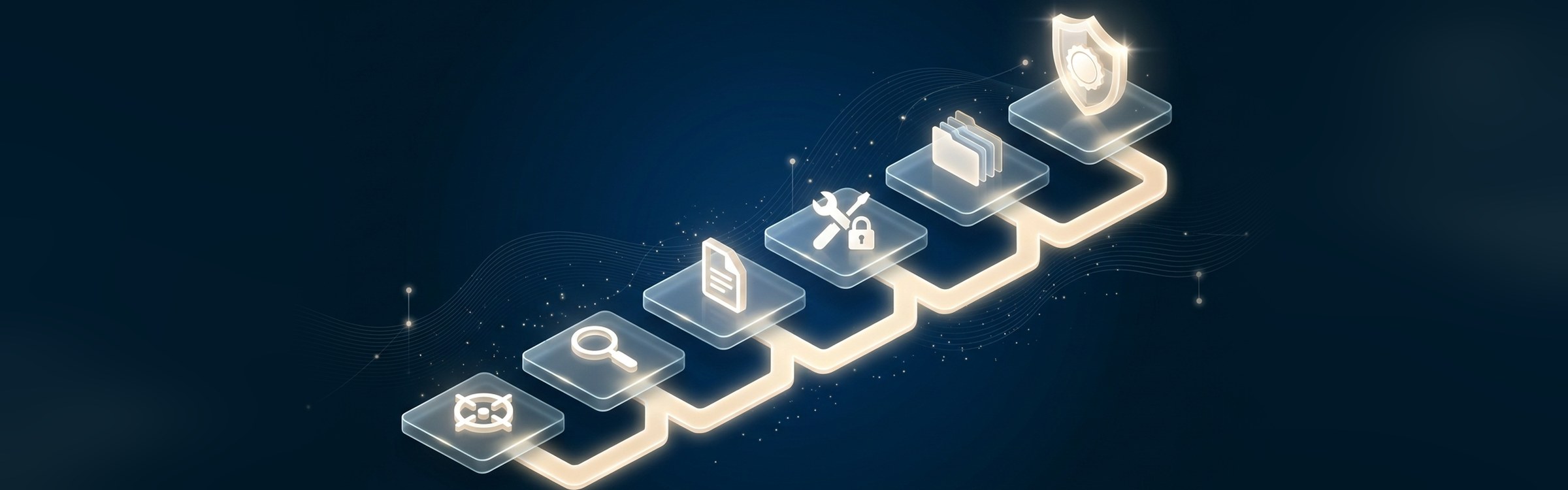
- Define your scope: Decide which systems, services, locations, and trust services criteria the report will cover. Most companies start with Security only.
- Run a readiness assessment: Compare your current controls against the SOC 2 criteria and list the gaps.
- Write or update policies: Cover access control, change management, incident response, vendor management, data retention, and acceptable use, including rules for AI tools. Our guide to AI governance can help with that last part.
- Close the technical gaps: Common fixes include multi-factor authentication, centralized device management, logging and monitoring, encryption, and regular access reviews. Our guide to types of cyber attacks explains why these controls matter.
- Get control of your tools: Make sure every app holding customer data is approved and secured. Unapproved tools are a common audit finding, as covered in our post on shadow IT.
- Test backups and recovery: Auditors look for evidence that you can restore systems after an incident. See why every business needs a disaster recovery plan.
- Train your team: Run security awareness training and keep records of who completed it. Our post on common cybersecurity mistakes covers the habits worth training first.
- Collect evidence and choose an auditor: Gather screenshots, logs, and records showing controls in action, then engage an independent CPA firm for the Type 1 or Type 2 examination.
SOC 2 Compliance Checklist
- Scope and trust services criteria are defined
- Security policies are written, approved, and shared with staff
- Multi-factor authentication is on for all critical systems
- User access is reviewed regularly and removed promptly when people leave
- Devices are managed, encrypted, and kept up to date
- Logging, monitoring, and alerting are in place
- Backups are automated and restore tests are documented
- An incident response plan exists and has been tested
- Vendors with access to data are reviewed
- Security training is completed and recorded
- Evidence is collected continuously, not just before the audit
Frequently Asked Questions
What is SOC 2 compliance in simple terms?
Is SOC 2 mandatory?
What is the difference between SOC 2 Type 1 and Type 2?
What is the difference between SOC 1 and SOC 2?
Can a Canadian company get a SOC 2 report?
Build Security Your Customers Can Trust
SOC 2 compliance shows customers that you take their data seriously and gives you a repeatable way to prove it. The work is mostly about strong, consistent security habits: clear policies, tight access, good monitoring, tested backups, and a trained team.
At BitWaves, we help businesses across Canada and the US put the security controls behind SOC 2 in place and keep them running, from device management and monitoring to backups and access control. Explore our managed IT services, or get in touch to talk about getting your business audit-ready.